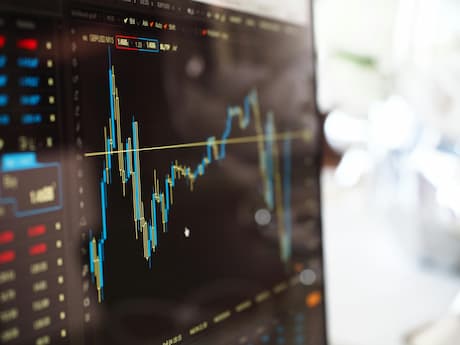

Investment Guide: Understanding the Spot Market for Gold
In the world of finance, gold has always held a special place, not just as a precious metal but also as a form of currency and a hedge against economic uncertainty. One of the most critical aspects of trading gold is understanding the concept of the spot market. In this article, we will delve into what the spot market for gold is, how it operates, and its significance for investors.
What is the Spot Market for Gold?
The spot market refers to a public financial market in which financial instruments or commodities are traded for immediate delivery. In the case of gold, it means the buying and selling of gold at the current market price, with transactions settled "on the spot." The price of gold in the spot market is determined by various factors, including supply and demand dynamics, geopolitical tensions, currency fluctuations, and economic indicators.
How Does the Spot Market Operate?
The spot market for gold operates through various platforms, including exchanges and over-the-counter (OTC) trading. The most well-known exchange for gold trading is the London Bullion Market Association (LBMA), which sets the benchmark prices for gold traded globally.
In the spot market, transactions occur in two main forms: physical gold and gold derivatives. Physical gold involves the actual delivery of gold bullion or coins, while gold derivatives, such as futures and options, are contracts that derive their value from the underlying asset, which in this case is gold.
Key Factors Influencing Gold Spot Prices
1. Economic Indicators: Economic data such as inflation rates, employment figures, and GDP growth can significantly influence gold prices. For instance, higher inflation often leads to increased demand for gold as a safe haven.
2. Geopolitical Events: Uncertainty in the geopolitical landscape, such as wars, elections, and trade conflicts, tends to drive investors towards gold, pushing up its price in the spot market.
3. Currency Strength: Gold is predominantly traded in U.S. dollars, meaning the strength or weakness of the dollar can directly impact gold prices. A weaker dollar generally makes gold cheaper for foreign investors, leading to increased demand.
4. Interest Rates: Gold does not yield interest, so when interest rates rise, the opportunity cost of holding gold increases, potentially leading to lower demand and prices.
Why Invest in Gold?
Investing in gold can serve various purposes within a diversified portfolio:
- Hedge Against Inflation: Gold is often seen as a store of value that can protect against inflationary pressures.
- Portfolio Diversification: Gold typically has a low correlation with other asset classes, making it an effective diversifier that can reduce overall portfolio risk.
- Safe Haven Asset: In times of economic uncertainty or market volatility, investors often flock to gold as a safe haven, which can lead to price appreciation.
How to Get Started in the Gold Spot Market
1. Research and Analysis: Before diving into gold trading, it’s essential to conduct thorough research and analysis. Keep an eye on economic indicators, global events, and market trends.
2. Choose the Right Platform: Selecting a reputable trading platform is crucial. Look for platforms that offer competitive pricing, reliable execution, and robust security measures.
3. Understand the Costs: Be aware of the costs involved in trading gold, including spreads, commissions, and storage fees for physical gold.
4. Start Small: If you are new to gold investing, consider starting with a small investment to familiarize yourself with the market dynamics before committing larger sums.
5. Stay Informed: The gold market can be volatile, and staying informed about market trends and economic news is vital for making informed investment decisions.
Conclusion
The spot market for gold offers investors a unique opportunity to capitalize on the fluctuations in gold prices driven by various economic and geopolitical factors. By understanding how the market operates and the key influences on gold prices, investors can make more informed decisions. Whether you are looking to hedge against inflation, diversify your portfolio, or simply invest in a historically valuable asset, gold remains a compelling choice in today’s financial landscape.